Author: admin

  • WHOOP 5.0/MG Activity Tracker With 12-Month Membership: A Detailed Guide to Sleep, Activity, Recovery, and Health Insights

    WHOOP 5.0/MG Activity Tracker With 12-Month Membership: A Detailed Guide to Sleep, Activity, Recovery, and Health Insights

    Introduction

    Wearable fitness technology has gradually moved beyond simple step counting. Modern devices can collect information throughout the day and night, allowing users to look at patterns involving sleep, physical activity, recovery, heart rate, stress, and other aspects of daily wellness. The WHOOP 5.0/MG Activity Tracker with a 12-month membership is designed around this type of continuous monitoring.

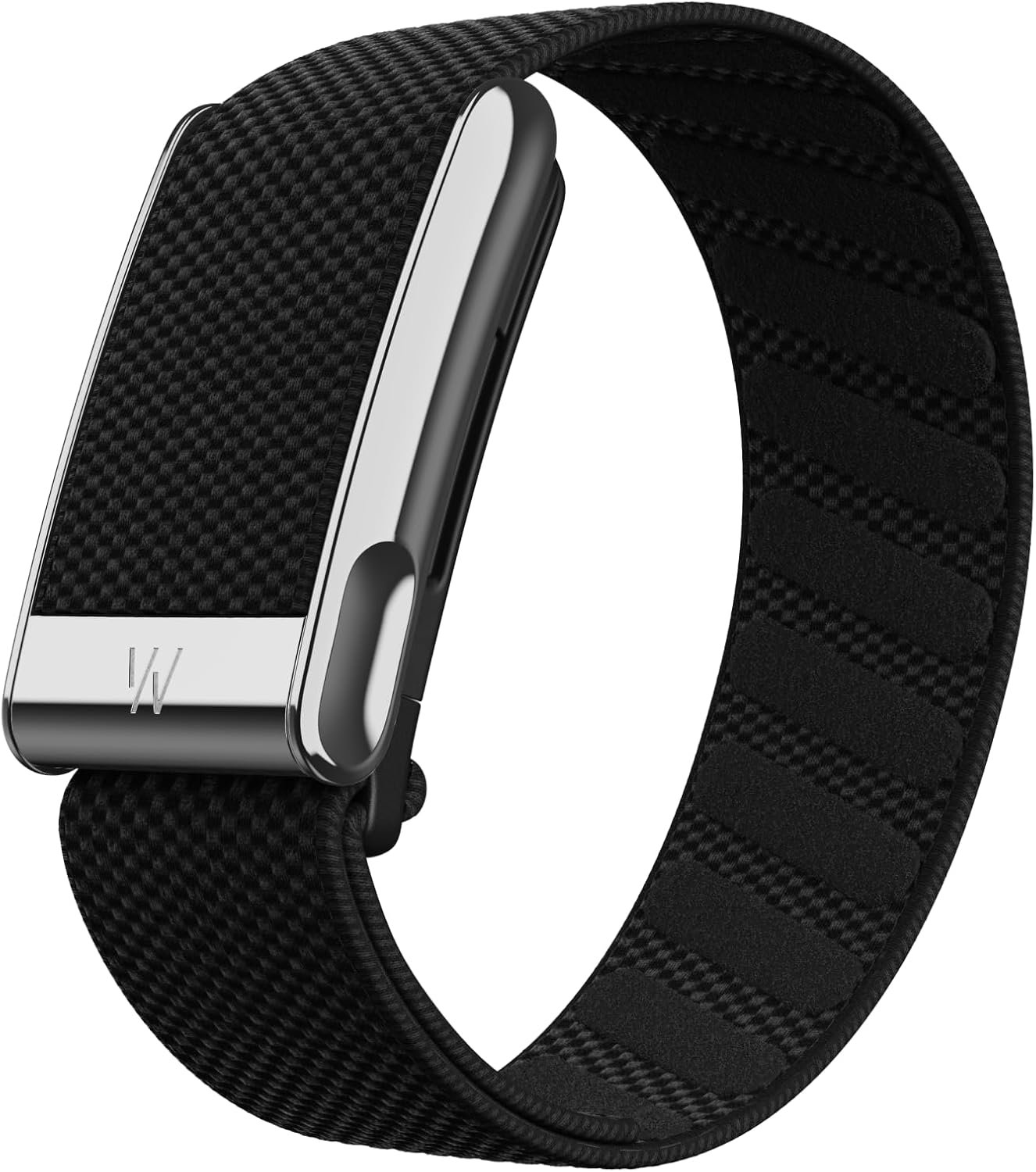
    The product associated with ASIN B0DY2PB7RB is the WHOOP Life package, which includes the WHOOP MG device, a SuperKnit Luxe band, a waterproof Wireless PowerPack, and a 12-month WHOOP Life membership. WHOOP’s current product information identifies the MG as the hardware used with the Life membership, while the 5.0 is used with other membership tiers.

    Unlike a traditional smartwatch, WHOOP is built around continuous health and fitness tracking rather than a conventional on-device display. The company’s current membership information emphasizes 24/7 insights, sleep, strain, recovery, personalized coaching, activity monitoring, women’s hormonal insights, and other health-oriented features.

    The WHOOP MG version also adds features that distinguish it from the standard WHOOP 5.0 configuration, including an ECG-based Heart Screener and blood pressure insights. WHOOP describes these as wellness and health-monitoring features, with availability varying by location and applicable regulatory requirements.

    This makes the device relevant to several different types of users, from people who want to understand their sleep patterns to athletes interested in training load and recovery. At the same time, the amount of information available can make the platform more involved than a basic activity tracker.

    This guide explains what the WHOOP 5.0/MG package offers, how its tracking approach works, what the membership contributes, and what users should consider before incorporating a continuous wearable into their daily routine.

    Understanding the WHOOP 5.0 and WHOOP MG

    It is useful to clarify the relationship between the names WHOOP 5.0 and WHOOP MG.

    WHOOP introduced the 5.0 and MG generations in 2025. Both devices use the company’s newer hardware platform and were designed around continuous wear, a smaller form factor, and substantially longer battery life than earlier generations. WHOOP states that the new devices are approximately 7% smaller and use updated sensors and processing hardware.

    The main distinction is the membership and feature level associated with the hardware.

    WHOOP’s current lineup places WHOOP 5.0 with the One and Peak memberships, while WHOOP MG is associated with the Life membership. The Life package adds features such as Heart Screener with ECG readings, on-demand AFib detection where available, and blood pressure insights for wellness.

    The Amazon product identified in this guide is therefore more specifically associated with the WHOOP MG and WHOOP Life package rather than simply being a generic WHOOP 5.0 activity tracker.

    What Is Included in the 12-Month Package?

    The package is structured as both hardware and membership rather than as a standalone wearable.

    According to WHOOP’s current Life membership information, the package includes:

    • WHOOP MG hardware
    • A SuperKnit Luxe band
    • A Waterproof Wireless PowerPack
    • A 12-month WHOOP Life membership
    • Access to the features associated with the Life tier during the applicable membership period

    This distinction is important because the WHOOP experience depends heavily on its membership platform. The device collects physiological information, while the app and membership ecosystem turn that information into scores, trends, reports, and coaching-oriented insights.

    The product should therefore be understood as a connected wearable service rather than simply a piece of wrist hardware.

    Key Features

    24/7 Activity and Health Tracking

    Continuous monitoring is one of the central ideas behind WHOOP.

    Instead of asking users to manually start every measurement, the device is designed to remain on the body throughout the day and night. This allows the platform to build a longer-term picture from data collected across different situations, including sleep, exercise, rest, and ordinary daily activity.

    WHOOP describes its platform as providing 24/7 insights across areas such as sleep, strain, stress, and heart health.

    The benefit of continuous collection is not necessarily a single measurement. The more useful concept is the ability to observe patterns over time.

    For example, a user may compare how sleep duration relates to training, how demanding workouts influence recovery, or how changes in daily routines correspond with physiological trends.

    Sleep Tracking

    Sleep is a major part of the WHOOP ecosystem.

    The platform tracks sleep-related information and produces sleep-oriented insights intended to help users understand their nightly recovery. WHOOP’s current membership materials include Sleep Performance and Sleep Score features as part of the broader sleep experience.

    A continuous wearable can be particularly useful for sleep tracking because it can collect information while the user is asleep without requiring a traditional watch-style screen.

    Over time, the resulting data can be used to examine patterns rather than focusing on a single night’s result.

    For example, a user could look at differences between:

    • Short and long sleep periods
    • Regular and irregular bedtimes
    • Training days and rest days
    • Different recovery patterns
    • Changes in daily routines
    • Sleep consistency over longer periods

    These patterns can provide context that a simple sleep-duration number cannot provide by itself.

    Strain and Activity Monitoring

    WHOOP uses the concept of “Strain” to describe physiological demand associated with activity.

    This approach is different from simply counting steps or recording workout duration. The system is intended to provide a broader view of how demanding activity is relative to the individual’s physiological response.

    WHOOP’s current membership information also lists activity monitoring, steps, VO₂ Max, and heart-rate zones among its fitness features.

    This can be useful for people who participate in different forms of exercise because the system is not limited to one type of workout.

    The company states that its newer platform supports more than 145 activities, while its fitness features include measurements such as VO₂ Max and heart-rate zones.

    Recovery Insights

    Recovery is another central component of the WHOOP experience.

    Rather than evaluating exercise in isolation, WHOOP combines activity and sleep information with physiological measurements to produce recovery-oriented insights.

    This creates a different way of thinking about training.

    Instead of simply asking, “How much did I exercise today?” a user can also consider whether the body appears prepared for additional physical demand.

    That distinction can be useful for athletes, recreational exercisers, and people establishing a new training routine.

    Recovery information should still be treated as guidance rather than a definitive medical assessment. A wearable’s calculated score is not a substitute for professional medical evaluation when symptoms or health concerns are present.

    Personalized Coaching

    WHOOP includes personalized coaching as part of its membership experience.

    The purpose of coaching is to translate collected data into practical suggestions rather than leaving the user with a dashboard full of numbers.

    WHOOP describes its membership platform as combining health insights with personalized coaching to help users build habits around sleep, training, recovery, and related behaviors.

    The usefulness of this approach depends partly on how consistently a person wears the device and interacts with the information.

    Someone who reviews trends and adjusts routines based on the information may get more practical value from the coaching experience than someone who rarely checks the application.

    Women’s Hormonal Insights

    The platform also includes Women’s Hormonal Insights.

    WHOOP describes this feature as providing information about how hormonal changes may relate to areas such as recovery, sleep, stress, and performance. The company states that the system is designed to provide insights across different stages and situations, including menstruation, pregnancy, and perimenopause.

    This type of feature is best understood as a tracking and educational tool rather than a diagnostic system.

    Menstrual-cycle information can vary considerably between individuals, and wearable-derived insights should not be interpreted as medical diagnosis or as a replacement for professional healthcare.

    VO₂ Max and Heart Rate Zones

    WHOOP’s current membership lineup includes VO₂ Max and heart-rate-zone features.

    VO₂ Max is commonly used as an indicator related to aerobic fitness. Heart-rate zones, meanwhile, can help users organize workouts around different levels of cardiovascular intensity.

    For someone following a structured training program, these metrics can provide another way to evaluate exercise sessions.

    They can also be useful when comparing training patterns over time rather than focusing only on individual workout statistics.

    14+ Day Battery Life

    Battery life is particularly important for a wearable intended to be worn continuously.

    WHOOP states that the 5.0 and MG devices offer 14+ days of battery life.

    Longer battery life can reduce the frequency with which the device needs to be removed from the wrist.

    The included Wireless PowerPack is designed to make charging more convenient while the wearable remains part of the user’s routine. WHOOP’s Life package specifically lists a waterproof Wireless PowerPack as part of the included equipment.

    Actual battery performance can vary depending on use and operating conditions, so “14+ days” should be understood as the manufacturer’s stated battery-life figure rather than a guarantee of identical performance for every user.

    WHOOP MG Health Features

    The MG version adds features that deserve separate attention because they involve health-related measurements.

    Heart Screener With ECG

    WHOOP’s Heart Screener allows users to take an on-demand ECG reading using the MG device.

    WHOOP states that the feature can detect potential signs of atrial fibrillation and that it is FDA-cleared for its intended use.

    This does not mean that the device should be treated as a replacement for professional cardiac evaluation.

    The Amazon listing also includes regulatory and regional limitations. For example, certain heart-rhythm features may not be available in every region or for every user category.

    Users should therefore check current regional availability and applicable eligibility requirements rather than assuming every advertised feature is accessible everywhere.

    Blood Pressure Insights

    WHOOP MG also provides Blood Pressure Insights.

    WHOOP describes the feature as providing estimated systolic and diastolic blood pressure ranges and presenting them as wellness-oriented information.

    This feature deserves careful interpretation.

    A blood-pressure insight generated by a wearable should not automatically be treated as equivalent to a clinical blood-pressure measurement. WHOOP itself describes Blood Pressure Insights as a wellness feature and has discussed regulatory considerations surrounding the feature.

    Anyone concerned about high or low blood pressure should use an appropriate medical measurement method and consult a qualified healthcare professional.

    How It Can Be Used

    Building a Consistent Sleep Routine

    One practical use is observing sleep patterns over several weeks.

    Instead of looking at one night’s sleep score, users can examine whether their sleep tends to change when they alter bedtime, wake time, exercise schedules, caffeine habits, travel routines, or other daily behaviors.

    The goal is not to chase a perfect number every morning. It is to identify patterns that may help create a more consistent routine.

    Structuring Training

    Athletes and recreational exercisers can use activity and recovery information when planning training.

    For example, someone following a running program might monitor how demanding sessions affect recovery and then compare that information with subsequent workouts.

    Similarly, a person beginning strength training can use activity data to observe how training volume changes over time.

    The wearable does not replace a qualified coach or individualized training plan, but it can provide additional information to consider.

    Understanding Daily Stress Patterns

    WHOOP also provides stress-related information through its broader monitoring ecosystem.

    WHOOP’s Peak membership, for example, includes a Real-time Stress Monitor, while the broader platform tracks physiological information related to stress and recovery.

    This can help users explore whether particular situations consistently correspond with changes in their physiological measurements.

    Stress measurements should be interpreted as physiological signals rather than direct measurements of emotions. A wearable cannot know exactly why a particular physiological response occurred.

    Monitoring Activity Outside the Gym

    Continuous activity tracking is not limited to formal workouts.

    Walking, household activities, recreational movement, commuting, and other forms of physical activity can contribute to the overall picture.

    This is particularly relevant for people whose daily movement is more varied than a traditional exercise schedule.

    Tracking Long-Term Trends

    One of the strongest conceptual uses of a continuous wearable is trend analysis.

    A single day can be unusual for many reasons. Travel, illness, late nights, unusual exercise, work schedules, or social activities can all change physiological measurements.

    Longer-term data can provide more context.

    Users can compare weeks or months rather than treating every daily score as an independent judgment.

    Who It May Be Suitable For

    Fitness Enthusiasts

    People who train regularly may appreciate having sleep, activity, strain, recovery, and heart-rate information in one ecosystem.

    The system can be particularly relevant for users who want to connect training decisions with recovery patterns.

    Athletes

    Athletes with structured training schedules may use physiological data to complement their existing training process.

    It can be useful for observing trends during training blocks, recovery periods, travel, or changes in workload.

    However, coaches and athletes should still consider performance data, subjective feedback, training history, and sport-specific requirements rather than relying on a single wearable metric.

    People Interested in Sleep

    Users whose primary interest is sleep may find the continuous-wear approach appealing.

    The absence of a traditional screen can also make the device feel less like a miniature smartphone on the wrist.

    Users Interested in Long-Term Health Trends

    The broader WHOOP ecosystem includes Healthspan and other long-term wellness features on eligible memberships. WHOOP describes Healthspan as using multiple metrics to calculate WHOOP Age and Pace of Aging.

    These features are intended for wellness and informational purposes rather than medical diagnosis.

    People Interested in Menstrual-Cycle Tracking

    Women’s Hormonal Insights may be relevant to users who want to explore relationships between cycle-related changes and sleep, recovery, stress, or performance.

    Again, the information should be considered one source of context rather than a replacement for medical care.

    Important Things to Consider

    The Membership Is an Important Part of the Product

    One of the biggest differences between WHOOP and many conventional fitness trackers is the role of the membership.

    The device and app are designed as an integrated service. The 12-month package therefore needs to be considered as a membership-based wearable rather than simply a hardware purchase.

    Before the included membership period ends, users should check the then-current renewal terms and membership options if they intend to continue using the platform.

    There Is No Traditional Watch Screen

    WHOOP is intentionally designed without a conventional display.

    WHOOP describes the device as having “zero distractions,” with no screen and no buzzing competing for attention.

    This can be useful for someone who wants a dedicated health and fitness tracker rather than another smartwatch.

    However, someone who wants notifications, maps, music controls, calls, or on-wrist apps may prefer a different type of wearable.

    Data Requires Interpretation

    A large amount of data does not automatically produce better decisions.

    Heart rate, HRV, sleep measurements, strain, recovery scores, and other metrics are estimates or calculated indicators based on sensor data and algorithms.

    They can be useful for identifying patterns, but they should not be interpreted as perfect measurements of overall health.

    Health Features Have Limitations

    The MG’s ECG and blood-pressure-related features require particular attention.

    WHOOP states that some features are regulated and may not be available in every region. The Amazon listing also notes that WHOOP is not a medical device and should not be used to diagnose, treat, cure, mitigate, or prevent disease.

    This is an important distinction for anyone purchasing the device specifically because of a medical concern.

    Continuous Wear May Not Suit Everyone

    The device is designed around continuous wear, including during sleep and exercise.

    That means comfort becomes important.

    Band fit, skin sensitivity, sweating, temperature, and personal preferences can all influence whether someone enjoys wearing a wrist device continuously.

    If skin irritation develops, the device should be removed and the manufacturer’s guidance should be followed.

    Waterproofing Has Specific Limits

    WHOOP’s product information identifies the device as IP68 water-resistant up to 10 meters for up to two hours under the stated conditions.

    Water resistance should not be interpreted as unlimited protection against every aquatic environment.

    Users should follow the manufacturer’s current water-resistance guidance, especially when using the device in unusual conditions.

    Comparing General Wearable Categories

    WHOOP-Style Recovery Wearables

    Recovery-oriented wearables generally emphasize sleep, physiological trends, training load, and recovery rather than smartphone features.

    They can be useful for users who want a detailed wellness dashboard without needing a large screen on the wrist.

    Traditional Fitness Bands

    Fitness bands commonly focus on steps, heart rate, workouts, sleep, and basic notifications.

    They can be simpler to operate and may have lower dependence on subscription services, depending on the manufacturer.

    The tradeoff is that they may provide a different approach to recovery analysis and coaching.

    Smartwatches

    Smartwatches typically combine fitness tracking with broader digital functions.

    They may include notifications, GPS, music controls, communication features, applications, and an on-device display.

    For users who want a miniature smartphone experience on the wrist, this category may be more relevant than a screen-free wearable.

    Smart Rings

    Smart rings focus on compact, continuous wearable tracking.

    They are often designed around sleep, heart rate, temperature, and general wellness information.

    The primary difference is physical form rather than necessarily the type of information collected.

    Dedicated Sports Watches

    Sports watches are often designed around GPS, navigation, training metrics, workout controls, and outdoor activities.

    Runners, cyclists, hikers, and other athletes may value these capabilities when they need real-time information during exercise.

    WHOOP’s screen-free approach instead places more emphasis on collecting data continuously and reviewing it through the companion app.

    Using WHOOP Data Responsibly

    Wearable data can become overwhelming if every metric is treated as a target.

    A more sustainable approach is to focus on a small number of meaningful questions.

    For example:

    • Am I getting enough consistent sleep?
    • How does training affect my recovery?
    • Is my activity level changing over time?
    • Which routines seem to correspond with better recovery?
    • How does travel affect my sleep?
    • Do my training habits match my goals?

    These questions can turn a large amount of information into something more practical.

    It is also worth remembering that daily physiological measurements naturally fluctuate.

    A lower recovery score on one day does not automatically mean something is wrong. Similarly, a high score does not guarantee that someone is healthy or ready for every physical challenge.

    Context matters.

    Frequently Asked Questions

    What comes with the WHOOP Life package?

    The product associated with this ASIN includes a 12-month WHOOP Life membership, WHOOP MG device, SuperKnit Luxe band, and waterproof Wireless PowerPack.

    Is this the WHOOP 5.0 or WHOOP MG?

    The specific ASIN B0DY2PB7RB is associated with the WHOOP Life package and MG hardware. WHOOP’s current membership structure associates WHOOP 5.0 with One and Peak, while the MG is associated with Life.

    How long does the battery last?

    WHOOP states that the WHOOP 5.0 and MG offer 14+ days of battery life. Actual performance can vary depending on usage and conditions.

    Can WHOOP track sleep?

    Yes. Sleep tracking and Sleep Performance are core parts of the WHOOP platform. The system is designed for continuous wear, including overnight.

    Does WHOOP track workouts?

    Yes. WHOOP supports activity monitoring across a broad range of activities and provides features such as Strain, heart-rate zones, and VO₂ Max on applicable memberships.

    Does WHOOP track menstrual cycles?

    WHOOP includes Women’s Hormonal Insights, which are designed to provide personalized information related to hormonal changes and their potential relationship with areas such as sleep, recovery, stress, and performance.

    Does WHOOP MG have an ECG?

    The MG version used with WHOOP Life includes the Heart Screener ECG feature. WHOOP states that the feature can be used for on-demand ECG readings and can detect potential signs of AFib within its intended use. Availability and eligibility can vary by region.

    Does WHOOP MG measure blood pressure?

    WHOOP MG includes Blood Pressure Insights. WHOOP describes these as wellness-oriented estimates of systolic and diastolic ranges rather than a replacement for clinical blood-pressure measurement.

    Is WHOOP a medical device?

    WHOOP states that its overall wearable is not a medical device and should not be used as a substitute for medical care. Certain individual features, such as the ECG functionality, are subject to medical-device regulation and regional availability.

    Does WHOOP have a screen?

    WHOOP is designed without a traditional screen. The company describes this as part of its distraction-free wearable approach.

    Can WHOOP be worn while sleeping?

    Yes. Continuous wear, including sleep tracking, is a central part of the platform. The extended battery life is intended to reduce interruptions to continuous use.

    Is the Wireless PowerPack included?

    The WHOOP Life package includes a Waterproof Wireless PowerPack according to WHOOP’s current Life membership information.

    Does WHOOP require a smartphone?

    The WHOOP experience is centered around its connected app and membership ecosystem. The device itself does not provide a conventional display for viewing detailed information, so users should expect to use the companion application for reviewing data and insights.

    Is WHOOP suitable for someone who only wants step counting?

    It can track steps, but the platform is designed for much more than step counting. Its broader focus includes sleep, strain, recovery, heart-rate information, coaching, activity tracking, and other health-oriented insights.

    Can WHOOP replace a smartwatch?

    Not in terms of functionality. WHOOP does not provide the same screen-based ecosystem associated with many smartwatches. Its design prioritizes continuous health and fitness monitoring rather than notifications, apps, navigation, or on-device interaction.

    Conclusion

    The WHOOP 5.0/MG Activity Tracker with a 12-month membership represents a different approach to wearable technology. Instead of functioning primarily as a small smartwatch, it is built around continuous physiological monitoring, sleep analysis, activity tracking, recovery insights, personalized coaching, and longer-term trends.

    The specific WHOOP Life package associated with ASIN B0DY2PB7RB includes the MG device, SuperKnit Luxe band, Wireless PowerPack, and 12-month membership. The MG configuration adds features such as ECG-based Heart Screener and Blood Pressure Insights to the broader WHOOP ecosystem.

    For fitness-focused users, continuous sleep and recovery tracking can provide additional context around training. For people interested in long-term wellness patterns, the platform offers tools for examining activity, stress, sleep, and other physiological trends. Women’s Hormonal Insights add another dimension for users interested in cycle-related patterns.

    At the same time, the product requires a realistic understanding of what wearable data can and cannot tell you. Calculated scores and physiological estimates are useful sources of information, but they are not substitutes for professional medical assessment. Regional availability also matters for regulated features such as ECG and certain heart-related functions.

    The membership structure is another important part of the decision. WHOOP is designed as an integrated hardware-and-service ecosystem, so prospective users should consider not only the device itself but also how they intend to use the app, interpret the information, and continue their membership after the included 12-month period.

    For someone looking for a screen-free wearable centered on continuous activity, sleep, recovery, coaching, and broader health insights, understanding these characteristics is a useful starting point.
    You can check more details on Amazon here.

  • Multi Angle Adhesive Dashboard and Console Mount for Edge Products Insight and Evolution Tuners: A Practical Guide

    Multi Angle Adhesive Dashboard and Console Mount for Edge Products Insight and Evolution Tuners: A Practical Guide

    Introduction

    Modern vehicle tuning and monitoring devices can provide useful information while driving, but where the device is positioned inside the cabin can make a significant difference in everyday usability. A tuner or programmer may display engine data, performance information, diagnostic readings, or other vehicle parameters, yet even a capable device can be inconvenient if it has to sit loosely on the dashboard, console, or another unstable surface.

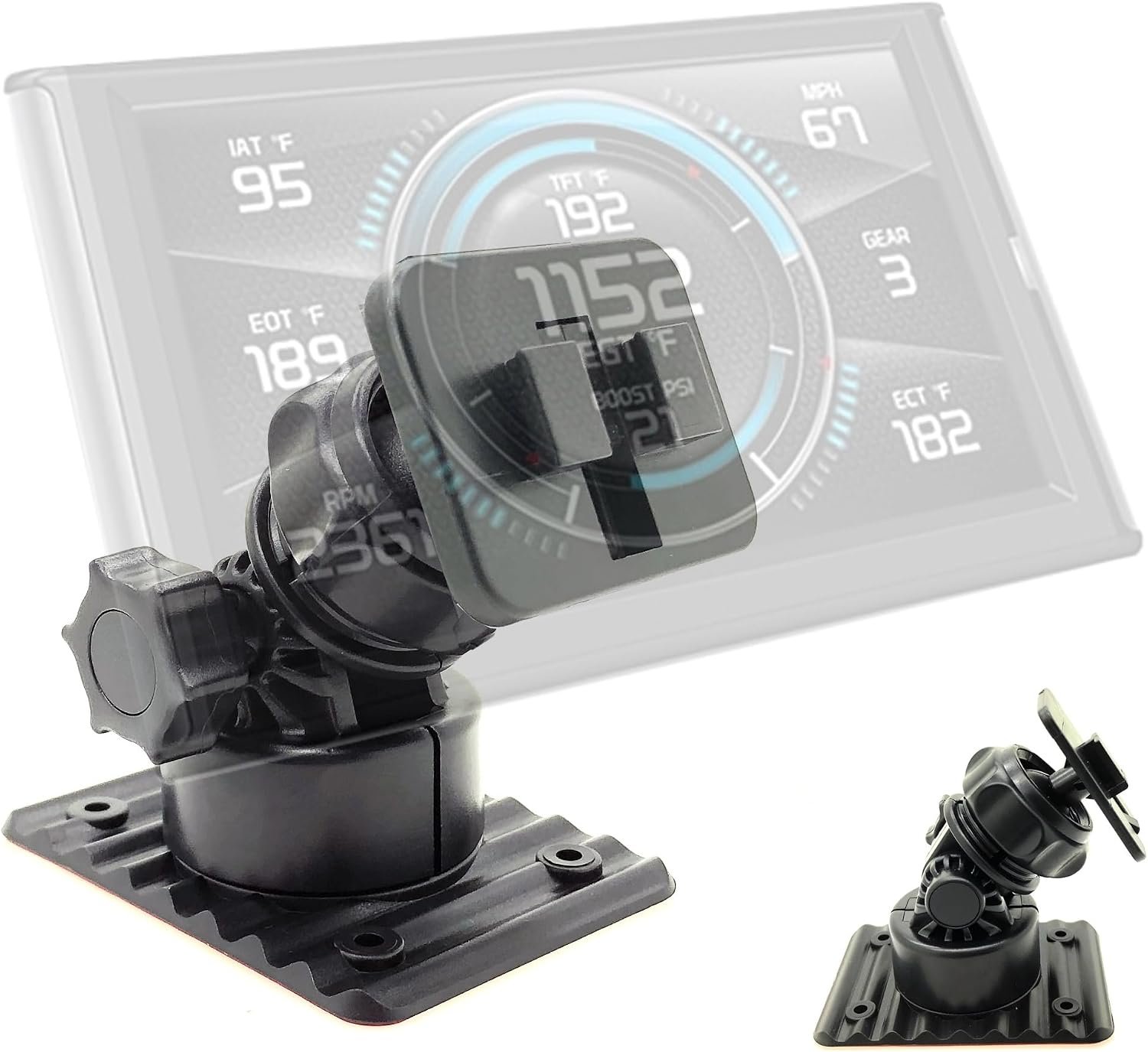
    The Multi Angle Adhesive Dashboard and Console Mount sold for selected Edge Products Insight CT, CTS 2, CT2, CTS2, CTS3, Evolution, Juice, AUTO, and related tuning devices is designed around this practical problem. Rather than focusing on the electronic functions of the tuner itself, the mount provides a physical way to position a compatible device inside the vehicle.

    This type of accessory is particularly relevant to drivers who want their tuner or monitoring screen to remain visible without holding it, placing it in a cup holder, or leaving it on another unsecured surface. An adhesive mounting approach can also be useful when a conventional vent mount, windshield mount, or permanent bracket is not desirable.

    The important point is that a mounting accessory does not change what a tuner can measure, display, or control. Its primary purpose is physical positioning. The value of such an accessory therefore depends heavily on compatibility, dashboard or console surface conditions, viewing angle, installation technique, and the driver’s preferred cabin layout.

    This guide explains how a multi-angle adhesive mount can be used with compatible Edge Products devices, what features are relevant, how installation typically works, and what should be considered before choosing this type of mounting solution.

    Understanding the Purpose of a Tuner Mount

    A vehicle tuner or programmer is often used in a location where the driver can see its screen while seated behind the steering wheel. Depending on the vehicle and the particular device, this could involve monitoring parameters such as engine information, temperatures, diagnostic data, or other readings supported by the tuner.

    The challenge is that many aftermarket electronic devices are not designed to simply rest on the dashboard indefinitely. Movement from acceleration, braking, cornering, vibration, and rough road surfaces can cause a loose device to shift.

    A dedicated mount addresses the physical side of the problem.

    Instead of changing the electronics, software, calibration, or programming functions of the tuner, the mount creates a more deliberate installation point. This can make the display easier to position and may reduce the need to repeatedly move the device.

    The multi-angle design is also relevant. A fixed mounting position is not necessarily ideal for every driver. Dashboard shapes differ considerably from one vehicle to another, and the driver’s seating position can affect how a screen is viewed. An adjustable or multi-angle mounting arrangement can provide additional flexibility when positioning the display.

    Key Features

    Adhesive-Based Installation

    One of the defining characteristics of this mounting solution is its adhesive attachment method.

    Adhesive mounts can be useful when a driver wants to install an accessory without drilling holes or installing a more permanent mechanical bracket. The mounting surface can potentially be attached to a suitable area of the dashboard or center console, depending on the vehicle and available space.

    This approach is relatively simple, but the quality of the installation depends heavily on surface preparation. Adhesive does not perform equally well on every material.

    Dust, oil, cleaning-product residue, textured plastic, extreme temperatures, and other contaminants can affect how securely an adhesive-backed mount stays attached.

    For that reason, installation should be treated as more than simply pressing the mount onto the first convenient surface.

    Multi-Angle Positioning

    The multi-angle concept is useful because the optimal viewing direction varies between vehicles and drivers.

    A tuner installed too low may require excessive downward eye movement. A screen positioned too far toward the passenger side may be harder to read quickly. On the other hand, positioning an electronic display too high or too close to the driver’s direct line of sight can also be undesirable.

    The ability to adjust the viewing angle provides some flexibility for finding a practical position.

    The exact range of adjustment and mechanical configuration should be verified against the current product listing and the specific mounting hardware supplied with the unit.

    Dashboard and Console Applications

    The mount is intended for dashboard and console-style installation rather than relying exclusively on a windshield or air vent.

    This can be helpful for drivers who prefer a more integrated appearance. A dashboard or console location may also leave windshield space available for the driver’s primary field of view.

    However, the appropriate mounting location depends on the vehicle’s interior design. A surface that appears suitable visually may not necessarily provide sufficient flatness, cleanliness, or adhesive contact area.

    Compatibility With Selected Edge Products Devices

    The product listing identifies compatibility with several Edge Products tuner and monitor families, including references to Insight CT, CTS2, CTS3, Evolution, Juice, and related models.

    Compatibility is one of the most important considerations when dealing with a device-specific mounting accessory.

    A mount that fits one generation of tuner should not automatically be assumed to fit every product sold under the same brand. Physical dimensions, mounting points, housing design, cable locations, and rear-panel configurations can change between generations.

    Before installation, it is therefore sensible to compare the exact tuner model with the compatibility information provided by the current Amazon listing and manufacturer or seller documentation.

    Compact Accessory Design

    A mounting accessory generally occupies much less space than a complete dashboard electronics installation. This can be useful when the cabin already contains other equipment such as phone holders, gauges, navigation displays, radio controls, or charging accessories.

    The goal is usually to create a dedicated position for the tuner without making the dashboard unnecessarily crowded.

    How It Can Be Used

    Creating a Dedicated Location for a Tuner

    One straightforward application is creating a dedicated location for an Edge Products tuner or monitor.

    Instead of moving the device between the dashboard and console every time the vehicle is driven, the mount can provide a consistent location.

    This can be particularly useful for drivers who regularly monitor vehicle information. A fixed location can make the setup more predictable and reduce clutter.

    Positioning the Display for Easier Viewing

    The mount can also be used to adjust the device’s orientation.

    For example, a driver may find that a slightly upward-facing angle provides a more comfortable view than a completely vertical installation. Another vehicle may require a different angle because of the shape of the dashboard.

    The multi-angle design provides flexibility rather than forcing every installation into exactly the same orientation.

    Supporting Monitoring During Vehicle Operation

    When used appropriately, a dedicated mount can help keep a compatible display in a stable, visible location.

    This is particularly relevant for monitoring applications where the driver wants to glance at information without physically handling the device.

    However, the mounting position should always be selected with driving safety in mind. A screen should not obstruct the driver’s view of the road, important warning indicators, mirrors, controls, or other essential parts of the vehicle.

    Organizing an Aftermarket Tuning Setup

    Some vehicles have multiple aftermarket accessories installed at the same time. A tuner may be accompanied by a phone, GPS unit, dash camera, auxiliary gauges, or other electronics.

    Using a dedicated mount can help give the tuner its own location rather than allowing it to compete for space with other equipment.

    Good organization is especially useful in vehicles where the dashboard has limited usable space.

    Installation Considerations

    Although adhesive mounting is relatively straightforward, preparation can have a major influence on the final result.

    Choose the Location Carefully

    The first step is deciding where the device should sit.

    The selected area should provide enough room for the tuner and mount while leaving nearby controls accessible. Avoid locations where the mounted device could interfere with steering-wheel movement, gear selection, visibility, climate controls, air vents, or safety equipment.

    A location that looks convenient while the vehicle is parked may become inconvenient once the driver is seated normally.

    Check Cable Routing

    Before attaching the mount permanently, consider where the tuner cable will run.

    A cable should not be routed in a way that interferes with pedals, steering components, gear controls, doors, or other moving parts. It should also avoid creating unnecessary loops that could catch on objects inside the cabin.

    Planning cable routing before installation can prevent having to reposition the mount later.

    Clean the Mounting Surface

    Adhesive mounting works best when the contact surface is clean and free from contaminants.

    The dashboard or console area should be inspected for dust, grease, wax, silicone-based products, and residue from interior cleaners.

    The appropriate cleaning method depends on the material. Some dashboard surfaces can be damaged by aggressive solvents, so the vehicle manufacturer’s recommendations should be considered before using any cleaning chemical.

    Allow the Adhesive to Set

    Adhesive-backed products may require time to achieve their intended holding strength.

    Immediately attaching a device and subjecting the mount to vibration or heat may not provide the same result as allowing the adhesive to settle properly.

    The instructions supplied with the particular mount should take priority over generic installation advice.

    Consider Temperature

    Vehicle interiors can become very hot in direct sunlight and very cold in winter conditions.

    Temperature changes can influence adhesive performance. This is another reason to consider the mounting surface carefully rather than treating every dashboard material as equivalent.

    A textured or soft-touch dashboard surface may behave differently from a smooth, rigid plastic console.

    Who It May Be Suitable For

    Drivers Using Compatible Edge Products Devices

    The most obvious audience is someone who already owns a compatible Edge Products tuner or monitor and needs a more organized mounting solution.

    Because this is an accessory rather than a universal electronics mount, compatibility should be confirmed before installation.

    Users Who Prefer Dashboard Mounting

    Some drivers prefer dashboard or console positioning instead of windshield mounting.

    A dashboard-oriented installation can leave the windshield clearer and may provide a cleaner arrangement depending on the vehicle.

    Users Who Want a Non-Drilling Installation

    An adhesive solution may appeal to people who do not want to drill holes into the dashboard or install a more permanent mechanical bracket.

    This can be particularly relevant for vehicles where preserving the interior is important.

    Drivers Who Frequently Monitor Vehicle Information

    Someone who regularly uses a tuner for monitoring may benefit more from a dedicated mount than someone who only connects the device occasionally.

    A permanent or semi-permanent mounting position can make the setup easier to use consistently.

    DIY Vehicle Enthusiasts

    The accessory may also fit naturally into a broader DIY vehicle electronics setup. Installing a mount, routing the cable, checking visibility, and organizing related accessories can all be part of setting up aftermarket equipment.

    The installation itself should remain separate from any programming or tuning procedure performed through the electronic device.

    Important Things to Consider

    Compatibility Comes First

    The most important consideration is whether the physical mount is appropriate for the exact device.

    The product title references multiple Edge Products families, but product generations can differ.

    Do not assume that compatibility with an older CTS or Evolution device guarantees compatibility with a newer model. Confirm the specific model before installation.

    Adhesive Is Not the Same as a Mechanical Fastener

    Adhesive mounting is convenient, but it has different characteristics from screws, brackets, or other mechanical fasteners.

    The adhesive may be affected by surface texture, temperature, vibration, cleaning chemicals, and the weight or leverage created by the attached device.

    If the vehicle regularly travels over rough roads, installation quality becomes even more important.

    Dashboard Material Matters

    Modern vehicle interiors use many different materials and finishes.

    Some dashboards are smooth and rigid. Others have textured surfaces, soft-touch coatings, leather-like finishes, or flexible plastics.

    An adhesive designed for one type of surface may not behave identically on another.

    Before permanently installing the mount, the user should consider whether the selected surface is suitable and whether removing the mount later could leave residue or affect the finish.

    Avoid Blocking Important Vehicle Functions

    A tuner should not be mounted where it interferes with essential vehicle functions.

    The installation should not obstruct the driver’s view, cover warning lights, interfere with controls, or create a hazard if the vehicle experiences sudden movement.

    The mount should also not interfere with airbags or other safety systems.

    Airbag deployment areas deserve particular attention. A dashboard accessory should never be positioned in a location where it could interfere with an airbag or become a dangerous projectile during a collision.

    Do Not Confuse Mounting With Tuning

    A mounting accessory does not itself modify engine calibration.

    This distinction is important because the product title references several tuning and programmer families. The mount is a physical accessory intended to position the device.

    Any engine calibration, programming, parameter changes, or performance adjustments are functions of the compatible electronic device and its associated software or firmware, not the mounting bracket itself.

    Verify the Current Package Contents

    Product listings can change over time, and accessory configurations can sometimes be updated.

    Before relying on a particular mounting component, users should check the current listing and supplied documentation to confirm exactly what is included.

    This is especially important when a mounting system requires a particular adapter, plate, adhesive component, or hardware piece.

    Mounting Location Options

    There are several general areas inside a vehicle where an electronic tuner might be positioned.

    Dashboard

    The dashboard can provide a direct viewing position.

    A relatively flat area can also make adhesive installation easier. However, the dashboard should be evaluated for visibility, material compatibility, and airbag placement.

    Center Console

    The console can offer an alternative location when dashboard space is limited.

    The main consideration is accessibility. A console-mounted display may be lower than a dashboard-mounted display, which could make it less convenient to view while driving.

    Lower Dashboard Area

    Some vehicles have open areas around the lower dashboard that can provide mounting space.

    This may offer a compromise between visibility and keeping the upper dashboard relatively clear.

    However, cable routing and knee clearance need to be considered carefully.

    Comparing General Mounting Categories

    Adhesive Dashboard Mounts

    Adhesive mounts provide a relatively simple installation approach and can avoid drilling.

    They are generally suitable when the user wants a dedicated mounting point without major modification to the vehicle interior.

    The tradeoff is that adhesive performance depends strongly on surface conditions and environmental factors.

    Suction-Cup Mounts

    Suction mounts are often associated with windshields and smooth surfaces.

    One advantage is that they can be easier to reposition or remove. However, they may occupy windshield space and can behave differently under temperature changes.

    Vent Mounts

    Vent-mounted accessories use vehicle air vents as their attachment point.

    They can be convenient, but not every vent is suitable for supporting an electronic device. Some vents can also become less accessible when used as mounting locations.

    Mechanical Brackets

    Mechanical brackets can provide a more secure attachment method when properly installed.

    The downside is that installation may require hardware, tools, drilling, or modification of the vehicle interior.

    Magnetic Mounts

    Magnetic mounting systems can make it easy to attach and remove compatible devices.

    Their usefulness depends on the device and mounting hardware. A magnetic solution is not automatically interchangeable with a device-specific mount.

    Full Vehicle Electronics Mounting Systems

    Some installations use larger brackets or integrated panels designed to accommodate multiple gauges and electronic accessories.

    These systems can provide extensive organization but may be more complex than necessary for someone who simply wants a dedicated location for a single tuner.

    Why Viewing Angle Matters

    Viewing angle is easy to overlook when choosing a mount.

    A screen can technically be visible while still being uncomfortable to read. Reflections, sunlight, dashboard contours, and the driver’s seating position can all influence readability.

    An adjustable mount provides more flexibility for addressing these factors.

    However, adjusting the angle should not be used to position the device directly in front of an important part of the driver’s field of view. The ideal arrangement is one that allows quick, limited glances without creating a visual obstruction.

    The driver should always prioritize attention to the road and surrounding traffic over monitoring aftermarket displays.

    Maintenance and Long-Term Use

    A mounted tuner does not necessarily require complicated maintenance, but the mounting area should be inspected periodically.

    Check whether the mount remains firmly attached and whether the adhesive edge is beginning to lift.

    It is also useful to inspect the cable periodically. Repeated movement, pinching, or rubbing can eventually damage cables.

    If the mount begins to loosen, simply pressing it back down may not restore the original adhesive performance. Depending on the design, replacing the adhesive component or reinstalling the mount according to the manufacturer’s instructions may be more appropriate.

    Interior cleaning should also be performed carefully around the mounting area. Strong cleaning products can potentially affect adhesive surfaces.

    Frequently Asked Questions

    What devices is this mount designed for?

    The product listing identifies compatibility with various Edge Products devices, including Insight CT, CTS2, CTS3, Evolution, Juice, AUTO, and related tuner/programmer models. Because compatibility can vary by generation, the exact device model should be checked against the current listing before installation.

    Does the mount tune the vehicle?

    No. The mount is a physical accessory. It is intended to hold and position a compatible electronic tuner or programmer. Any tuning or programming functions come from the compatible device and its software.

    Can the mount be installed without drilling?

    The product is designed around an adhesive mounting approach, so it does not rely on drilling into the dashboard for its primary installation method.

    Can the viewing angle be adjusted?

    The product is described as a multi-angle mount, allowing the position of the attached device to be adjusted. The precise adjustment range should be confirmed from the current product information.

    Can it be used on any dashboard?

    Not necessarily. Dashboard materials vary substantially. Adhesive performance can depend on surface texture, cleanliness, temperature, and material composition.

    Is dashboard installation better than windshield installation?

    There is no universal answer. Dashboard installation may keep the windshield clearer, while windshield mounting may provide a different viewing position. The appropriate choice depends on the vehicle interior, driver position, visibility, and safety considerations.

    Will the adhesive damage the dashboard?

    There is no guarantee that removing an adhesive accessory will have no effect on every dashboard material. Vehicle surfaces differ, and some finishes may be more sensitive than others. Users should consider the dashboard material and follow appropriate installation and removal instructions.

    Can the tuner remain mounted permanently?

    A compatible device can potentially remain in its mount during regular use, but long-term installation depends on the adhesive, vehicle environment, device weight, temperature, and mounting surface.

    Does the mount work with newer Edge Products models?

    The product listing references several Edge Products generations, but newer or differently shaped models should not be assumed to fit automatically. Checking the exact model against current compatibility information is recommended.

    Does mounting the tuner affect its electronic performance?

    A properly installed physical mount is intended to position the device rather than modify its electronic operation. The tuner itself remains responsible for its monitoring or programming functions.

    Can the mount be used while driving?

    The purpose of the mount is to position the device inside the vehicle, including for situations where the display is monitored during vehicle operation. However, the device should be positioned so that it does not obstruct the driver’s view or interfere with vehicle controls, and drivers should avoid interacting with the display in a distracting manner while driving.

    Is this a universal tablet or phone mount?

    No. This product is specifically associated with selected Edge Products tuning and monitoring devices. A phone, tablet, or unrelated display should not be assumed to fit simply because the mount uses an adhesive dashboard installation.

    Conclusion

    The Multi Angle Adhesive Dashboard and Console Mount for selected Edge Products Insight, CTS, CT, Evolution, Juice, AUTO, and related tuner devices is primarily a practical positioning accessory. Its purpose is not to add tuning functions or modify a vehicle’s electronics, but to provide a dedicated location for a compatible device inside the cabin.

    Its adhesive installation approach can be useful for people who prefer not to drill into their vehicle interior, while the multi-angle design provides flexibility when positioning the display. These characteristics can make the mount relevant for aftermarket monitoring setups where the tuner needs to remain accessible and visible.

    At the same time, compatibility and installation conditions deserve careful attention. The exact tuner model should be confirmed, the mounting surface should be suitable for adhesive attachment, cable routing should be planned in advance, and the final position should not interfere with airbags, vehicle controls, or the driver’s view.

    A mounting accessory is a relatively small part of a vehicle electronics setup, but choosing and installing it thoughtfully can help create a cleaner and more practical arrangement. Anyone considering this particular mount should review the current product information and compatibility details before installation.

    You can check more details on Amazon here.